Dumfries
Dumfries sits astride the River Nith and has long been known as the "Queen of the South" — a nickname it shares with the town's football club — and it's the largest town and administrative centre of Dumfries and Galloway.
The town's best-known connection is to Robert Burns, who spent the final years of his life here working as an exciseman and died in Dumfries in 1796. Burns House, where he lived with his family, is open to visitors, and he's buried in a mausoleum in Greyfriars Kirkyard in the town centre. The Robert Burns Centre, housed in an old watermill on the riverbank, covers his time in the town in more detail.
Around the town centre
The Nith runs right through the middle of Dumfries, crossed by the old Devorgilla Bridge, a stone footbridge with medieval origins that's one of the oldest surviving bridges in Scotland. The Midsteeple, a 17th-century former courthouse and jail, still stands on the High Street and is a good orientation point for the pedestrianised town centre, which has the widest choice of shops, restaurants and hotels in the region.
Where to Stay in Dumfries
-
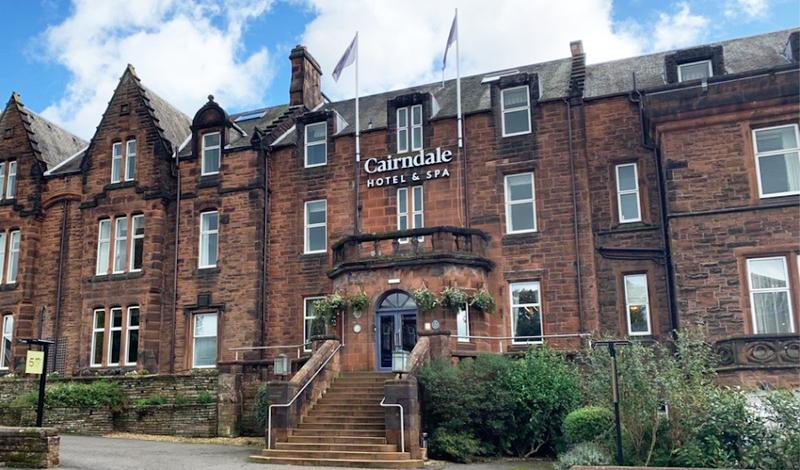 Cairndale Hotel — in the heart of Dumfries town centre.
 -
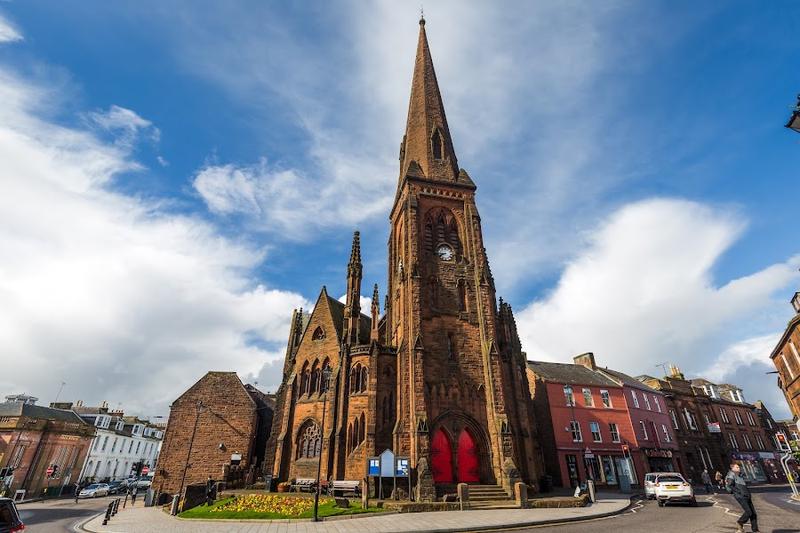 Best Western Station Hotel — a period hotel by the railway station.
 -
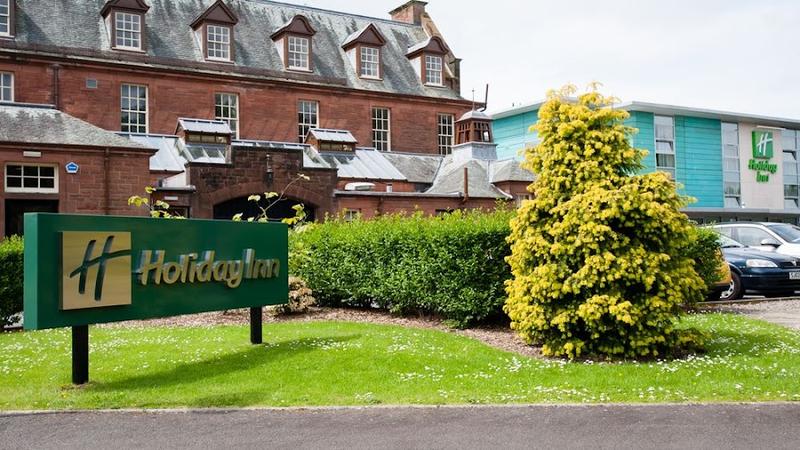 Holiday Inn Dumfries — around a mile from the town centre.
 -
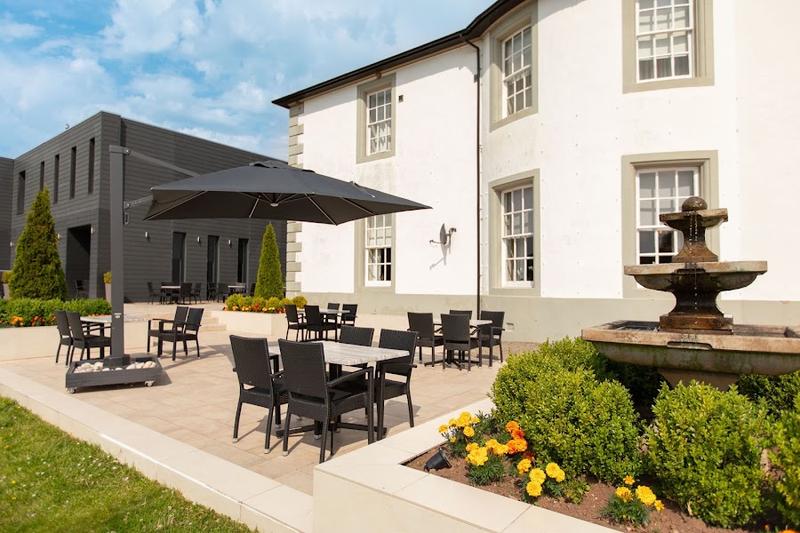 Hetland Hall Hotel — set in parkland overlooking the Solway Firth, just outside town.
 -
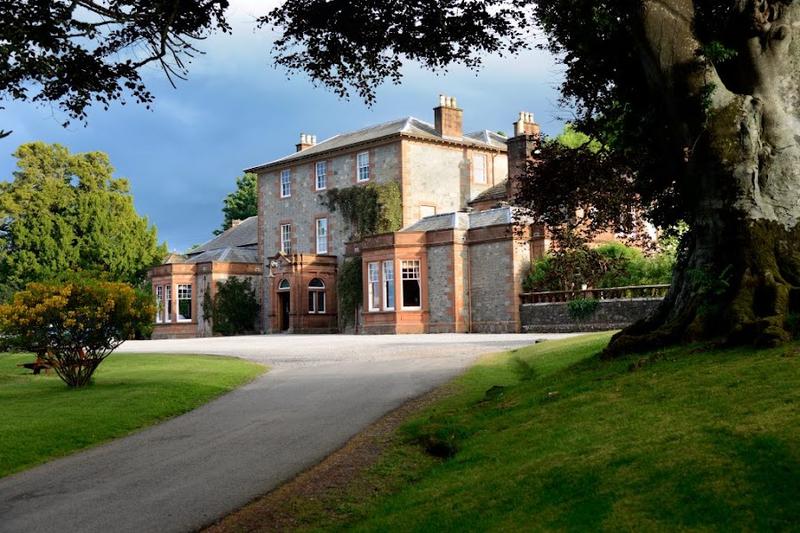 Mabie House Hotel — a country house hotel a few miles south near Mabie Forest.
 -
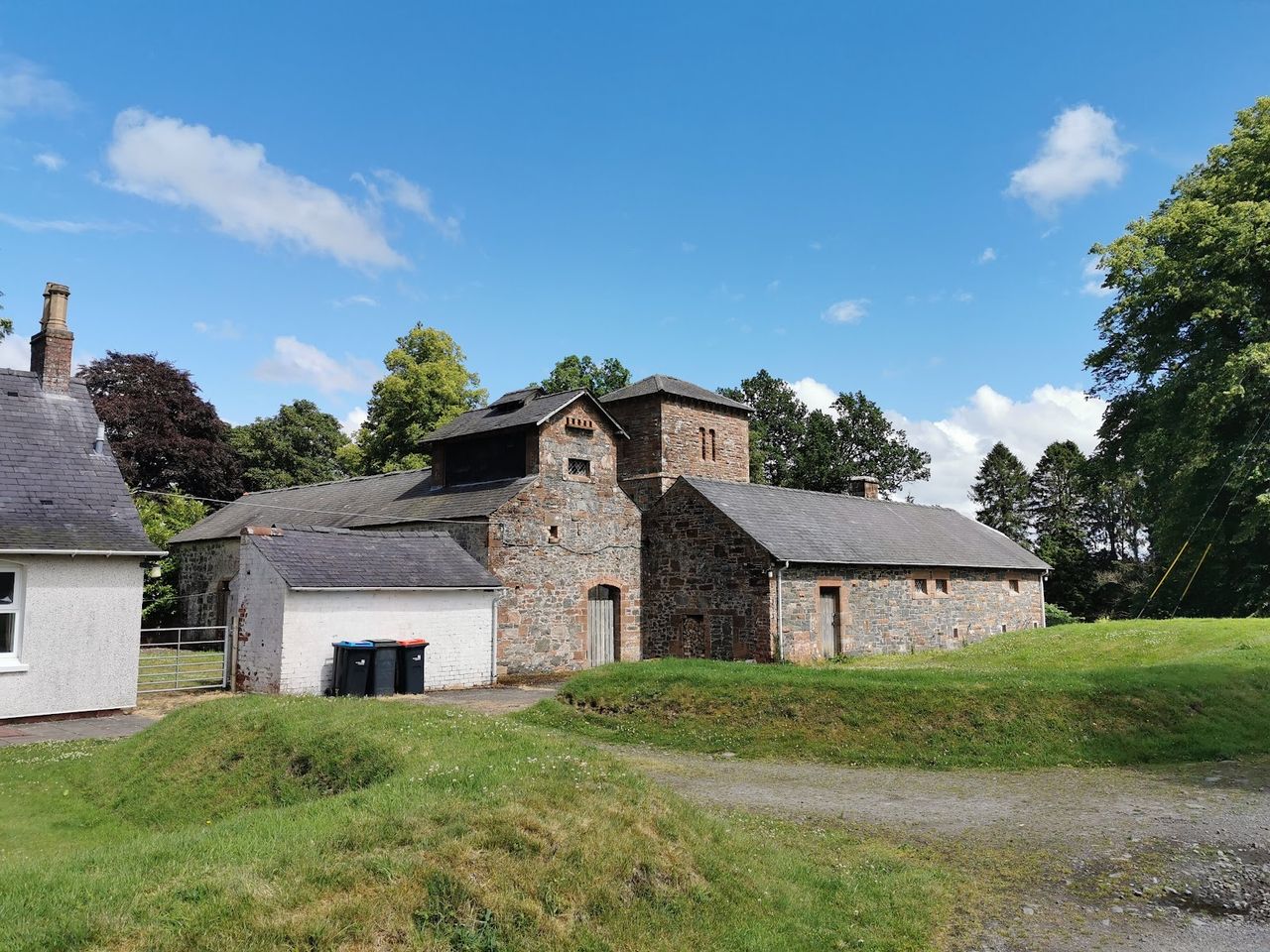 Friars Carse Country House Hotel — a country house hotel at Auldgirth, a few miles north-west of town.
 -
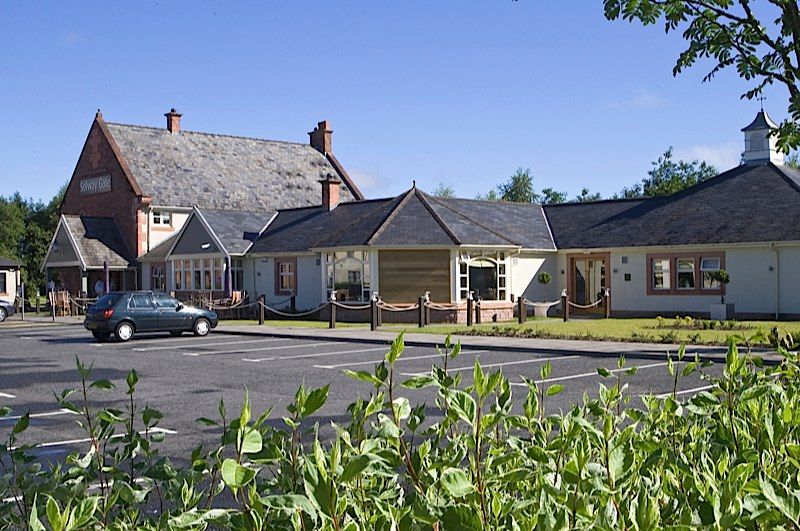 Premier Inn Dumfries — a budget-branded hotel on Annan Road at Collin.
 -
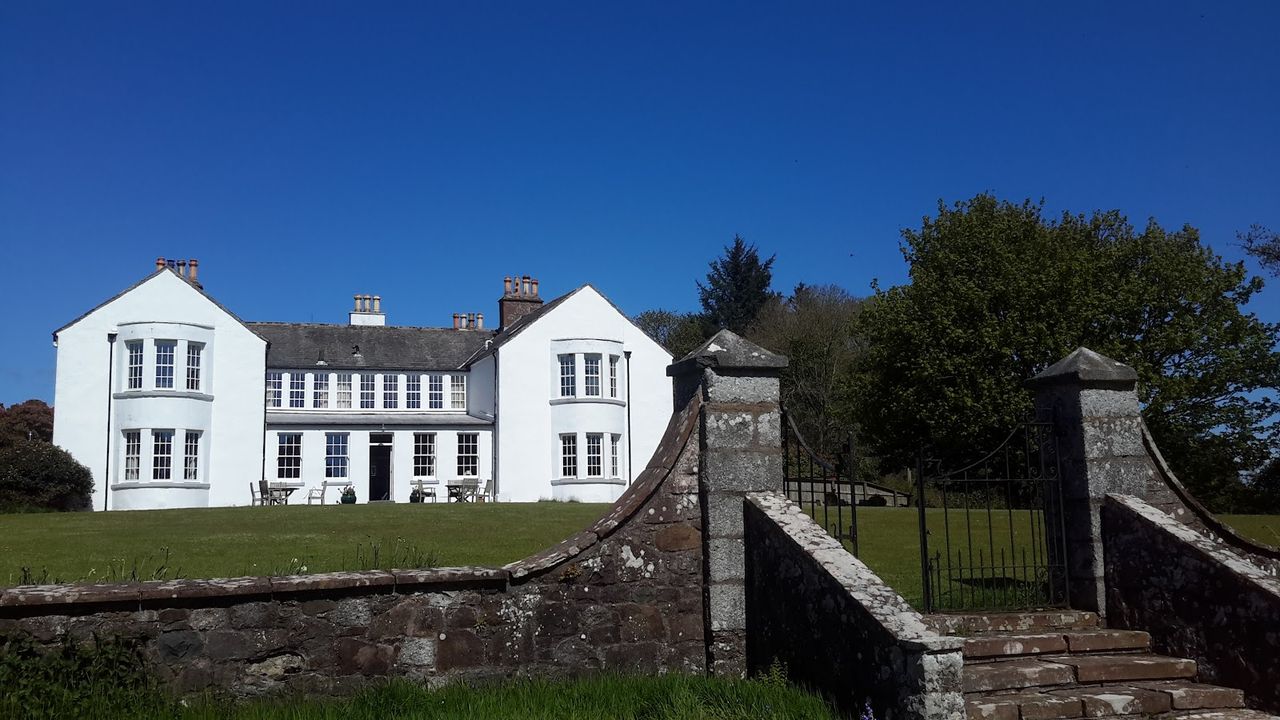 Cavens Country House Hotel — a small country house hotel at Kirkbean, towards the Solway coast.
 -
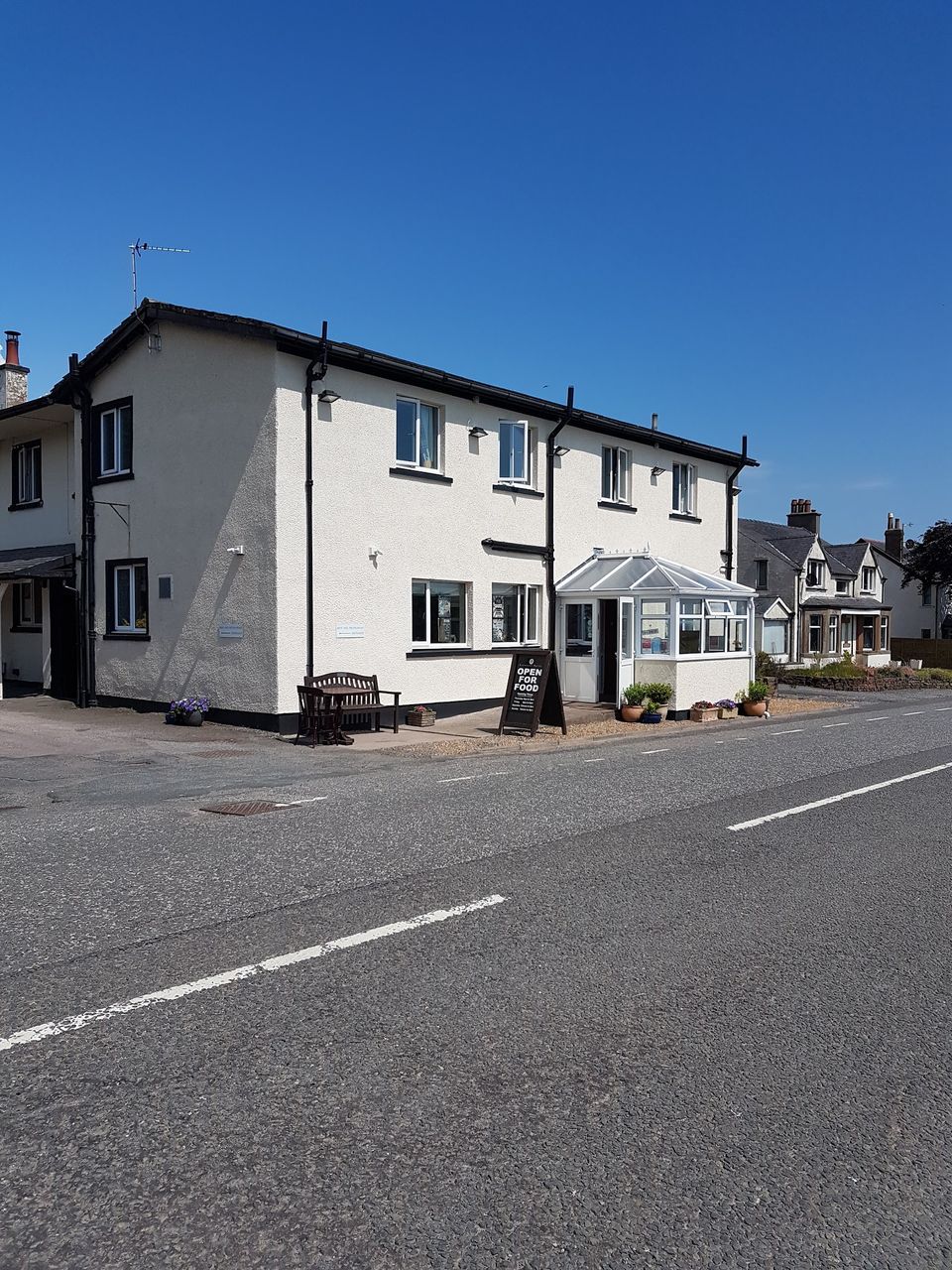 Kinmount Hotel — a village hotel at Carrutherstown, between Dumfries and Annan.
 -
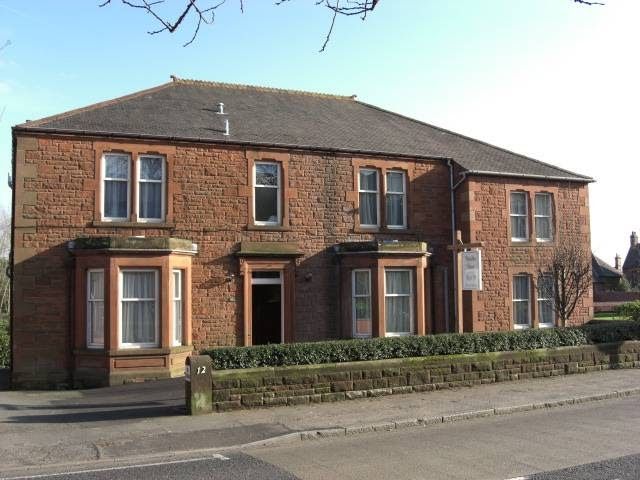 Hamilton House — a 4-star guest house on Moffat Road, a short walk from the centre.
 -
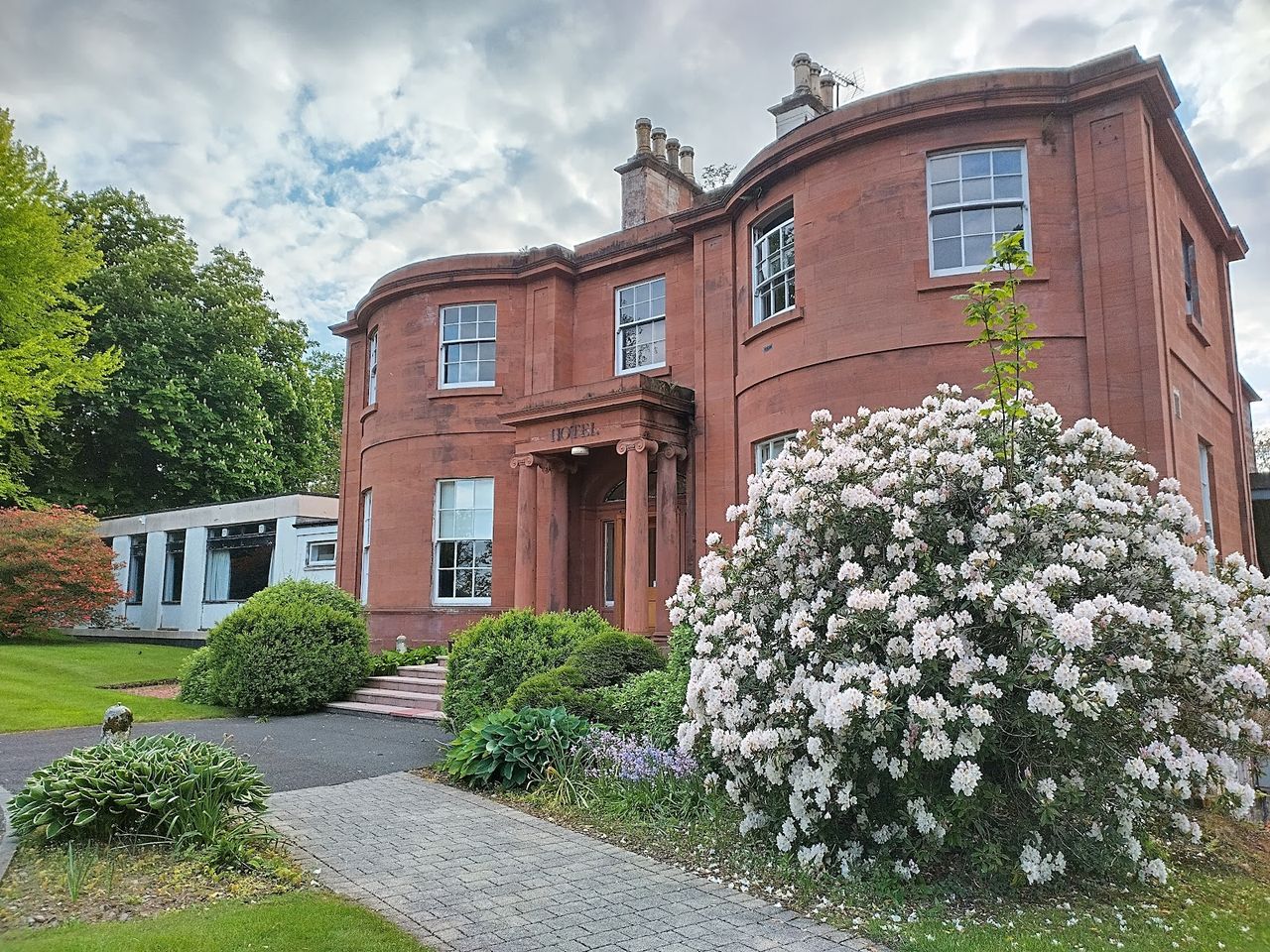 Woodland House Hotel — on Woodlands Avenue at New Bridge, on the edge of town.
Getting around
Dumfries railway station has direct trains on the Glasgow South Western line, making it a straightforward base if you're travelling without a car, and it's a reasonable central point for day trips out to the rest of the region, including Kirkcudbright to the west and the Solway coast to the south.